Engaged Communities: From Solidarity to Inclusion, Integration and Social Innovation
An Erasmus+ KA210-ADU Project Led by ETHOS and Pervolarides Thessalonikis
At ETHOS, we believe that change begins at the grassroots — in the everyday actions of people who come together to care, to create, and to shape the communities they live in. Our recent Erasmus+ project, “Engaged Communities: From Solidarity to Inclusion, Integration and Social Innovation,” was born out of this belief, and grew into a powerful example of what happens when local knowledge, community spirit, and international cooperation meet.
This two-year project was developed in close collaboration with Pervolarides Thessalonikis, a Greek solidarity group working with refugees, migrants, and people affected by poverty and unemployment. Together, we set out to exchange knowledge, build capacity, and explore sustainable, community-based solutions to the challenges faced by our societies today — from housing insecurity to food waste, social exclusion, and a lack of participation in democratic life.
Why this project?
Across Europe, communities are responding to urgent and interconnected challenges: the rising cost of living, increasing inequality, displacement and migration, environmental degradation, and weakened trust in public institutions. In both Denmark and Greece, we’ve seen local initiatives step up to fill the gaps — offering shelter, food, care, education, and a sense of belonging where formal systems fall short.
But many of these initiatives operate in isolation, without the time, tools, or resources to reflect on what they do, learn from others, or scale up their impact. That’s where Engaged Communities came in. Our goal was to strengthen the capacity of grassroots groups, adult learners, and community leaders to act more confidently, cooperatively, and sustainably — by learning from each other’s successes and struggles.
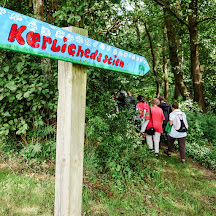
Read about the visit to Bondebjerget
The first study visitet included, among other things, a visit to the unique cooperative housing village in Bellinge, South West of Odense, Fyn. Read more about this visit here.
Over the course of the project, we co-designed and implemented a rich program of study visits, training activities, educational workshops, and job shadowing — all rooted in real-life community practice and tailored to the needs of adult learners from our local networks.
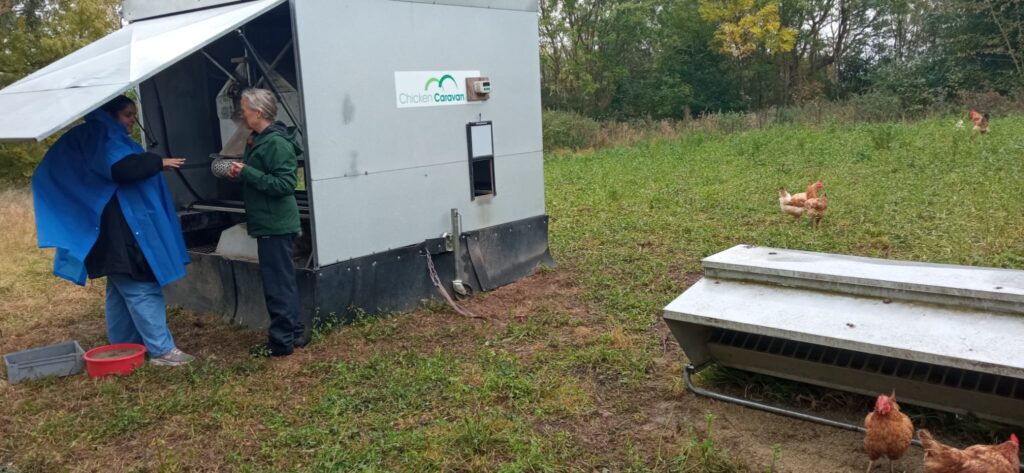
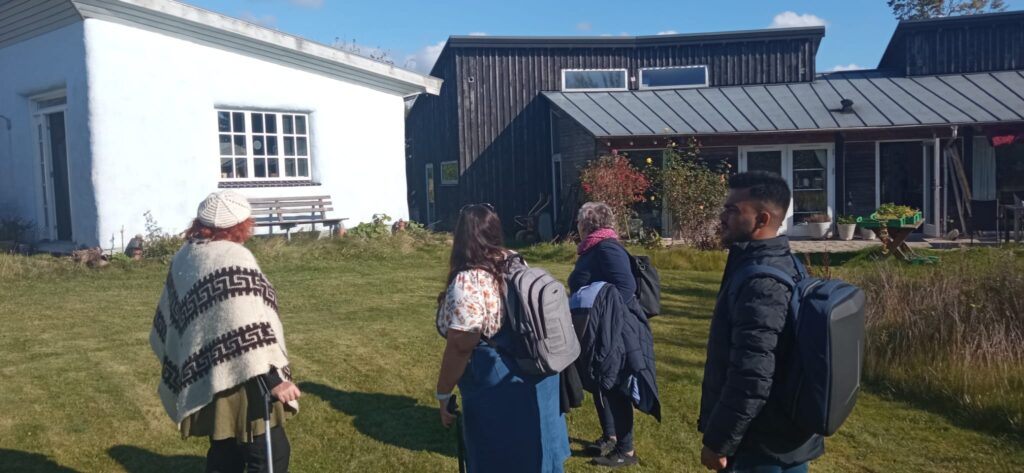
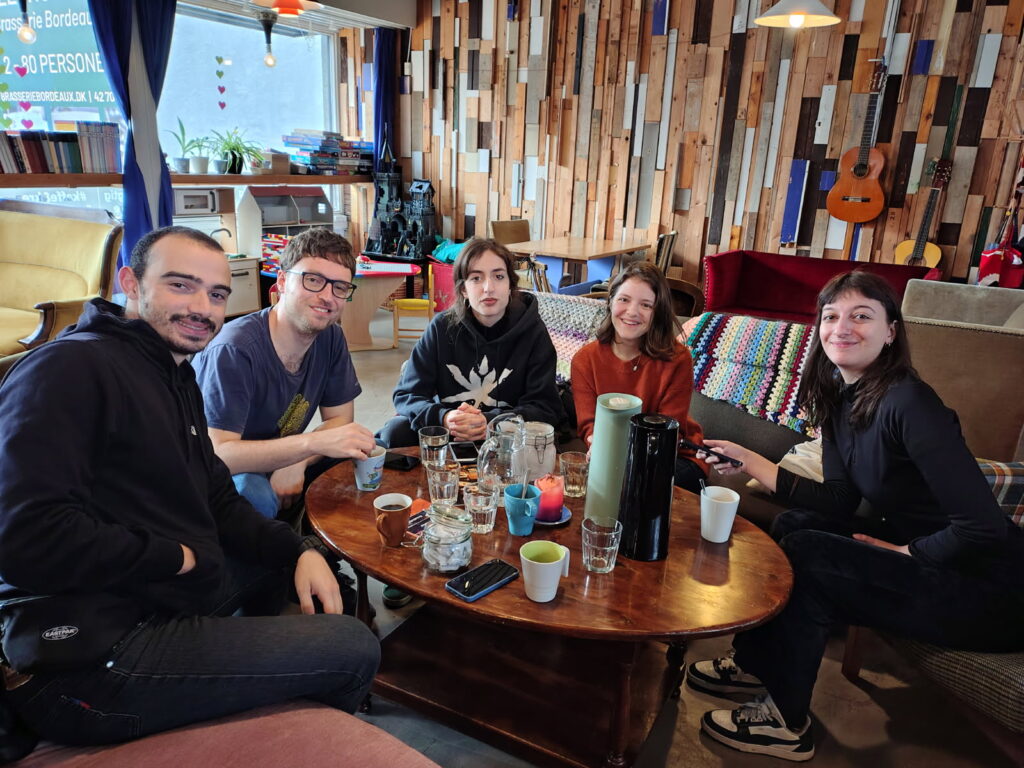
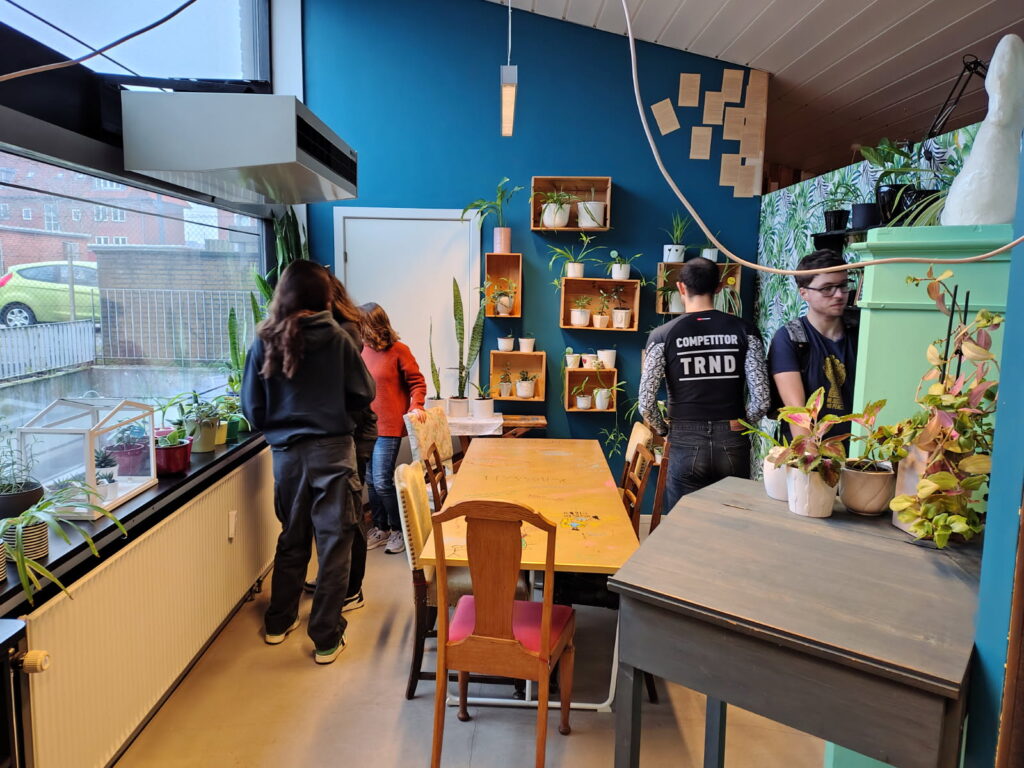
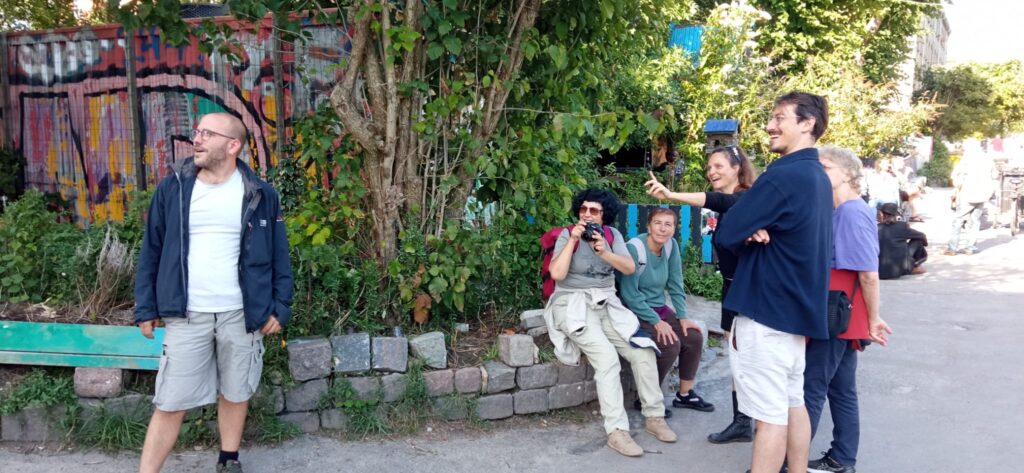
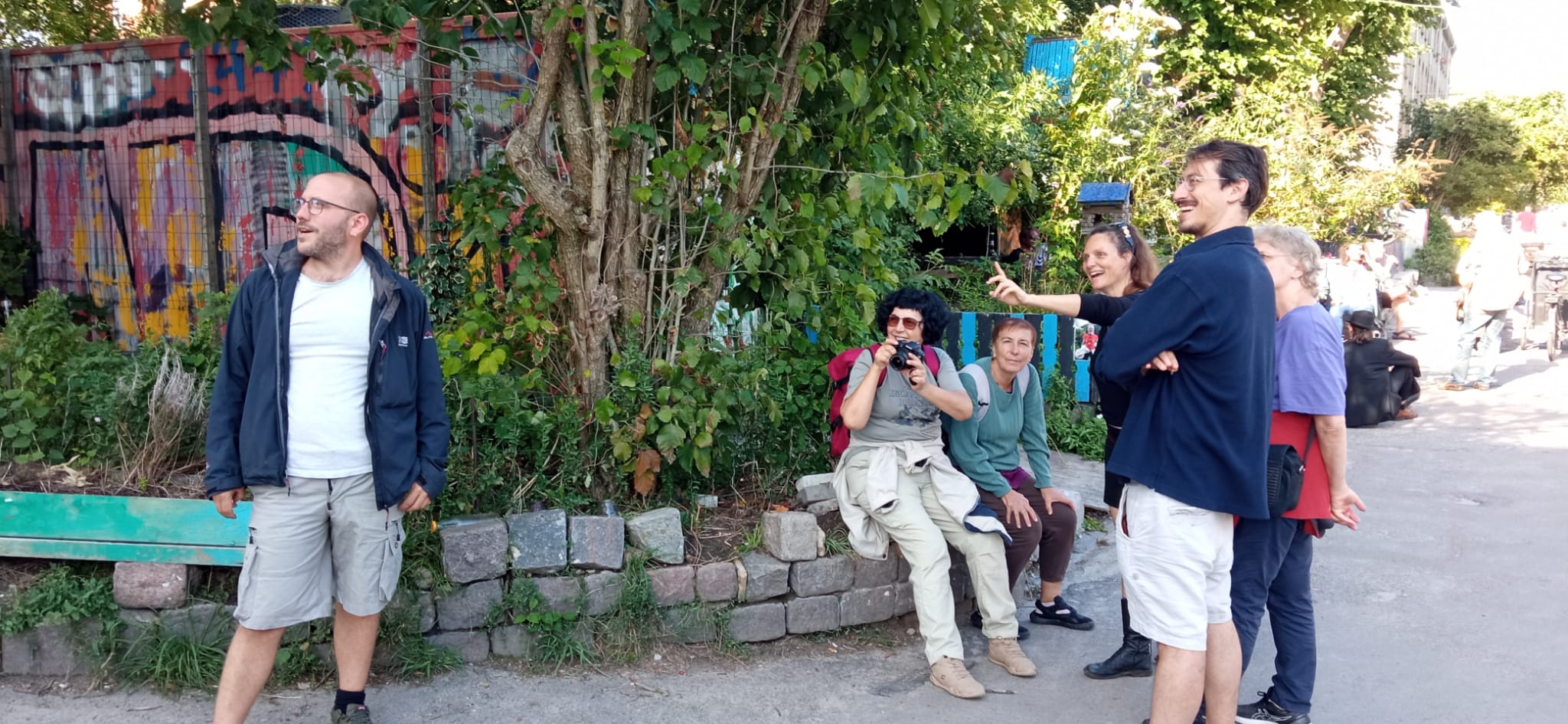
We hosted three study visits in Denmark, where participants from Thessaloniki were introduced to a wide range of inspiring community initiatives — from cooperative housing associations (Andelsboligforeninger) and ecovillages, to food redistribution networks like De Gule Hjælpere and Stop Spild Af Mad, and vibrant grassroots cultural spaces such as Bronx and GenBronx’en.
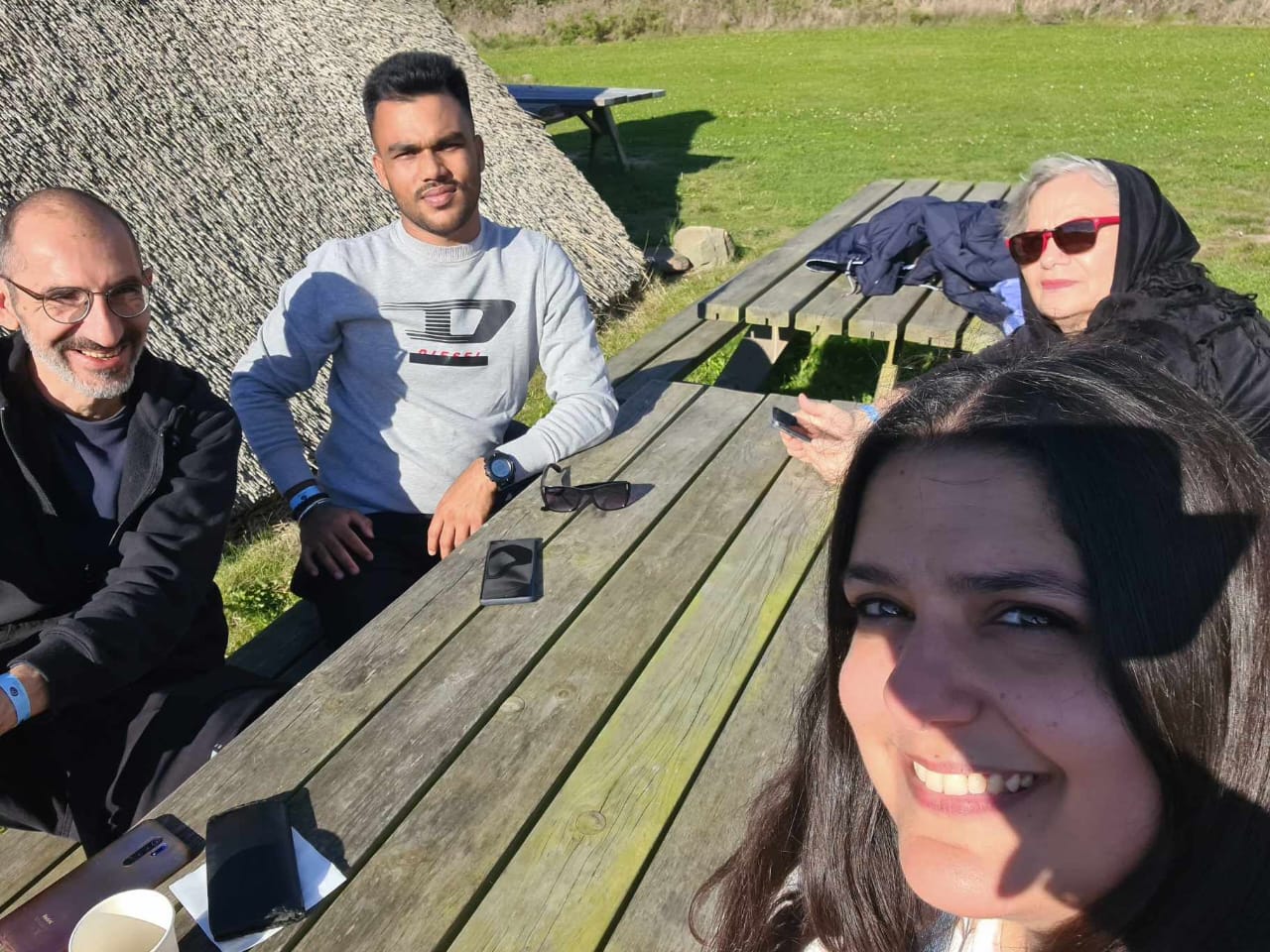
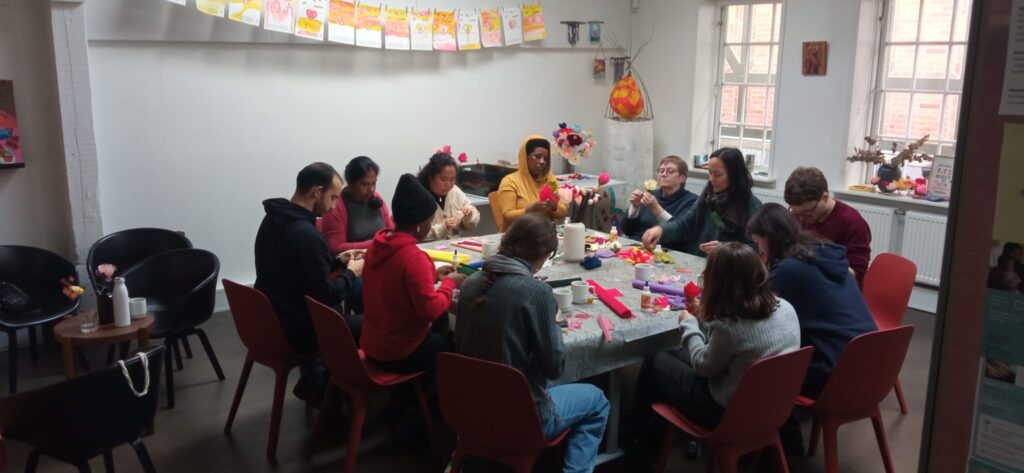
Each visit was more than a tour — it was a shared experience. Participants met with community members, cooked together, exchanged stories, and took part in reflective discussions about how these models might be adapted back home. The Danish model of cooperative living, in particular, sparked deep interest and reflection, especially on its potential to inspire new housing initiatives in Greece.
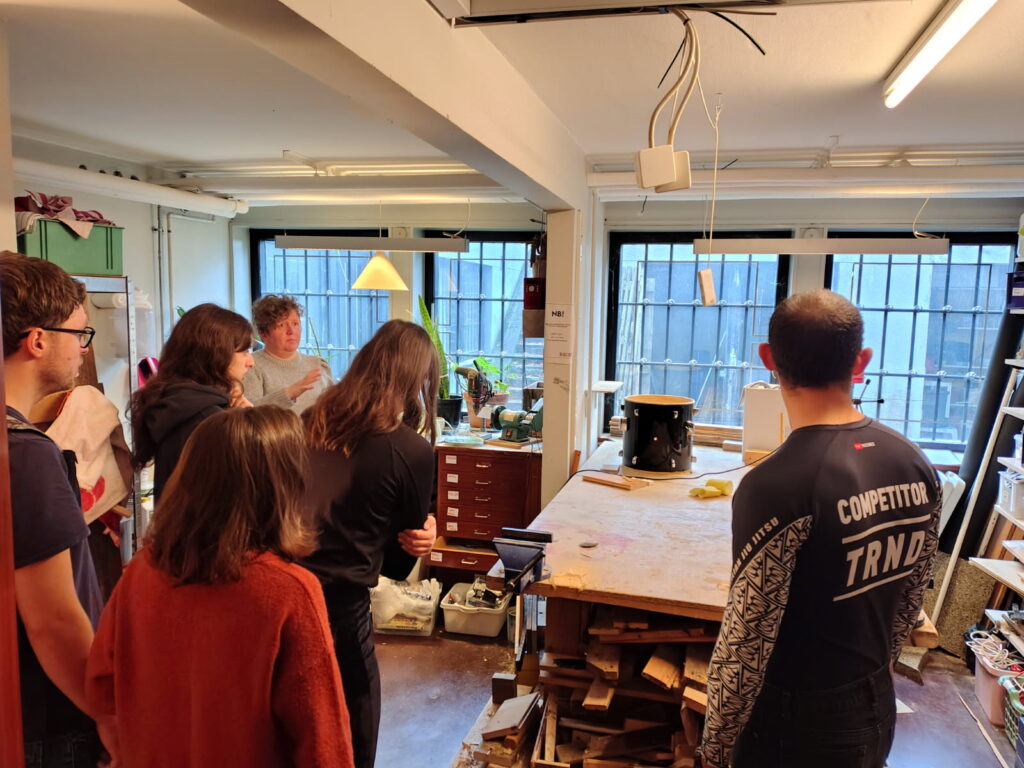
In parallel, we held educational events in both countries where we shared tools for project planning, fundraising, participatory governance, and self-organization. We also hosted two job shadowing placements in Denmark, where participants gained hands-on experience in grassroots projects and community enterprises.
What we learned
One of the most important lessons from this project was that community knowledge is not one-size-fits-all — but it is always worth sharing. The contexts in Denmark and Greece are very different, but the values that drive community action are remarkably similar: solidarity, care, trust, and the desire to make life better for everyone.
Through this exchange, we discovered:
How cooperative housing models can support long-term inclusion and intergenerational living
How food waste can be transformed into a resource for building community resilience
How small, self-organised groups can influence broader social change — when they’re connected, confident, and well-supported
We also learned about our own limits. Partway through the project, Pervolarides experienced a significant internal transition. Several members left the organisation, and a new group of active young people emerged to carry forward the spirit of the project. While this posed challenges for communication and planning, it also highlighted the importance of adaptability, care in partnership-building, and supporting emerging leadership in our networks.
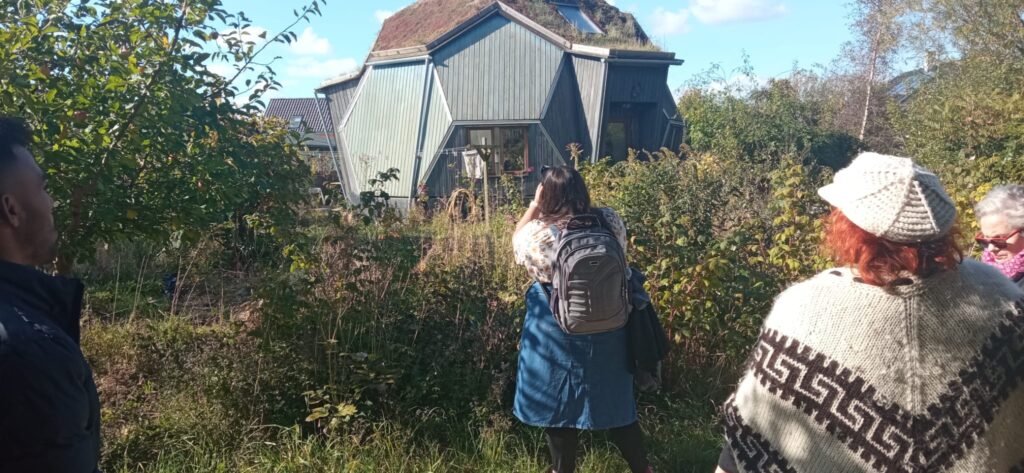
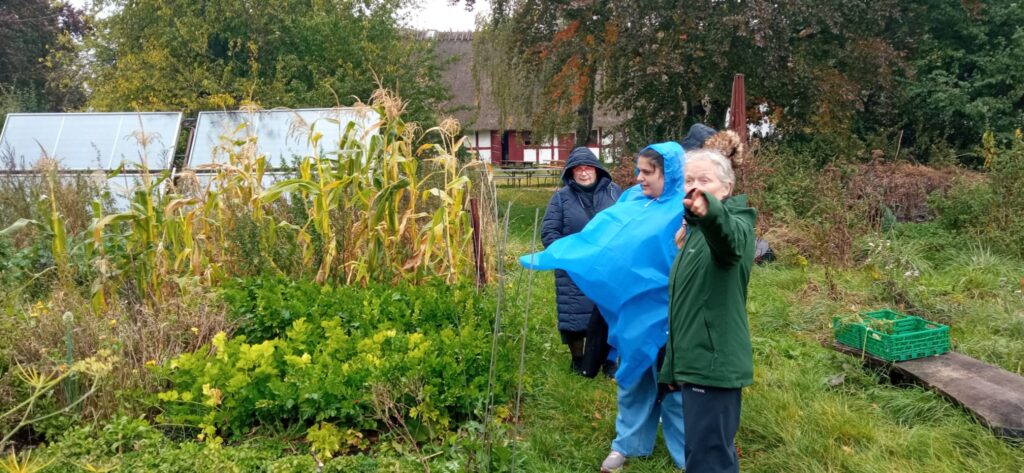
Hallingelille Eco-village
Who was involved
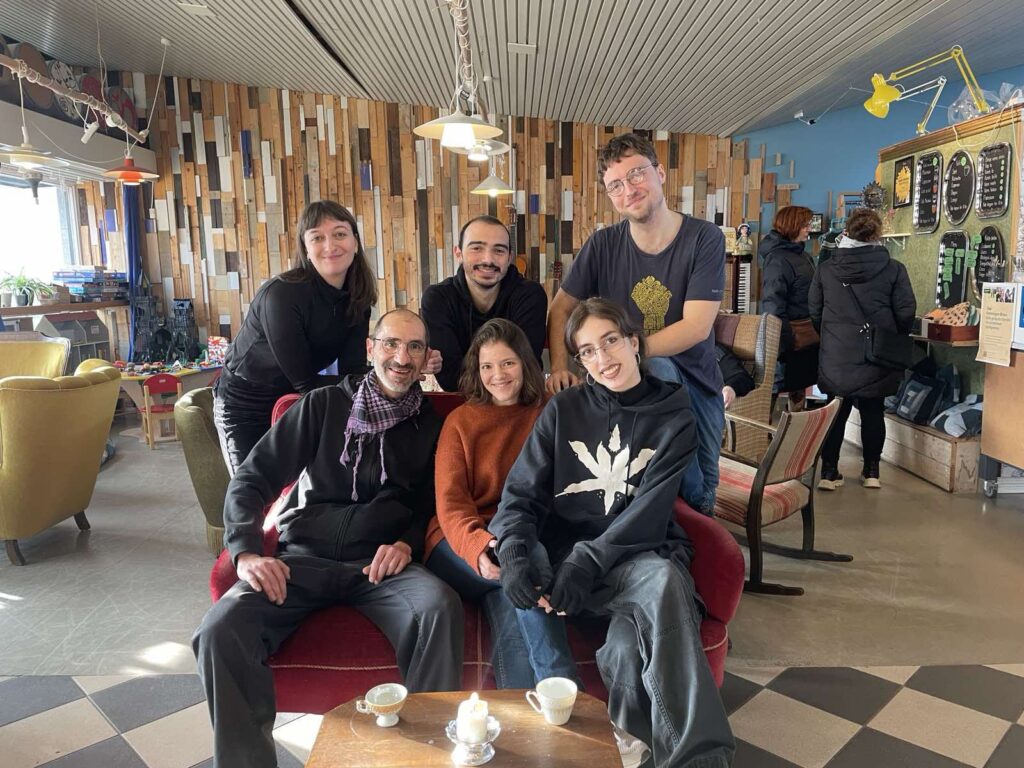
This project brought together adult learners, community activists, educators, volunteers, and grassroots organisers — many with lived experience of exclusion, migration, and social struggle. Their voices, knowledge, and aspirations were central to the project’s success. We also benefited from the support of community hosts, cooperative housing residents, food activists, and ecovillage members who generously opened their homes and shared their time and insight.
In total, 14 people participated directly in the three study visits, and many more took part in local workshops, presentations, and follow-up meetings in Thessaloniki and Denmark.
Why it matters
At its heart, Engaged Communities is about ordinary people doing extraordinary things — organising around what matters most in their lives, and finding strength in each other. It’s about recognising that the solutions to today’s biggest challenges won’t come from above, but from below — from the kitchens, gardens, meeting rooms, and community spaces where people come together, learn together, and act together.
This project reminded us that solidarity is not just a value — it’s a practice. And with the right tools, spaces, and support, it can grow into something truly transformative.